
Intelligence Brief
Export Drift, Processing Tightness, And Automation Math
August 20, 2026
Cross-Border Processing And Trade Dynamics Production Economics And Efficiency Gaps Automation Investment And Scale Strategies Corporate Consolidation And Sector Diversity Succession Planning And Knowledge Transfer
North American supply chains face realignment as U.S. processing shifts alter cattle leverage and Canadian greenhouse output increasingly serves southern markets, while domestic canola expansion hinges on biofuel policy stability. On the production side, operators confront rising efficiency gaps amid wet-season disease pressures and high input costs, forcing difficult calculations on autonomous equipment investments and succession strategies to maintain margins.
FCC finds more greenhouse vegetables heading south
Farm Credit Canada finds greenhouse production growth is flowing to U.S. buyers, while national availability slides for seventh consecutive year. The post FCC finds more greenhouse vegetables heading south appeared first on Farmtario.
Where will all the Canadian cattle go?
Recent packing plant closures or possible sales in the U.S. are shifting the balance of leverage across the North American cattle sector, bringing processing capacity much closer to current livestock supplies. In this video interview, Shaun Haney is joined by Brenna Grant, head analyst at Canfax, to…
Nearly half of hay growers spent more than market price
Higher yields didn’t mean lower cost per tonne on Canadian forage acres. Here’s what actually separated the low-cost growers. The post Nearly half of hay growers spent more than market price appeared first on Canadian Cattlemen.
Biofuels continue to drive canola crush expansion
Expanding domestic canola processing has created significant opportunities for Canadian growers, but maintaining steady growth requires navigating evolving trade policies and biofuel mandates across North American markets. With approximately 75 per cent of the domestic crop now processed in Canada,…
Western Canadian farmers fight heavy disease threat as harvest approaches
Western Canadian durum, spring wheat, canola and pulse crops have been fighting an intense and expensive battle with widespread crop diseases provoked by the first wet year this decade.
Building a legacy: How FieldView helps preserve farm knowledge
Every year, Canadian farm operators make a difficult choice: work harder or work smarter. At 56 years old, the current average age for farm operators across the country, many are managing significantly larger operations than their predecessors did a decade ago. Add fewer young farmers entering the i…
U.S.’s Curaleaf launches $260 million takeover bid for Alberta’s Aurora Cannabis
U.S.-based cannabis firm Curaleaf Holdings has launched a $260 million takeover bid for Edmonton-based Aurora Cannabis.
Has agriculture’s glass ceiling broken?
Women are now running commodity groups and have powerful roles in corporate ag. Does the glass ceiling still exist for women in agriculture?
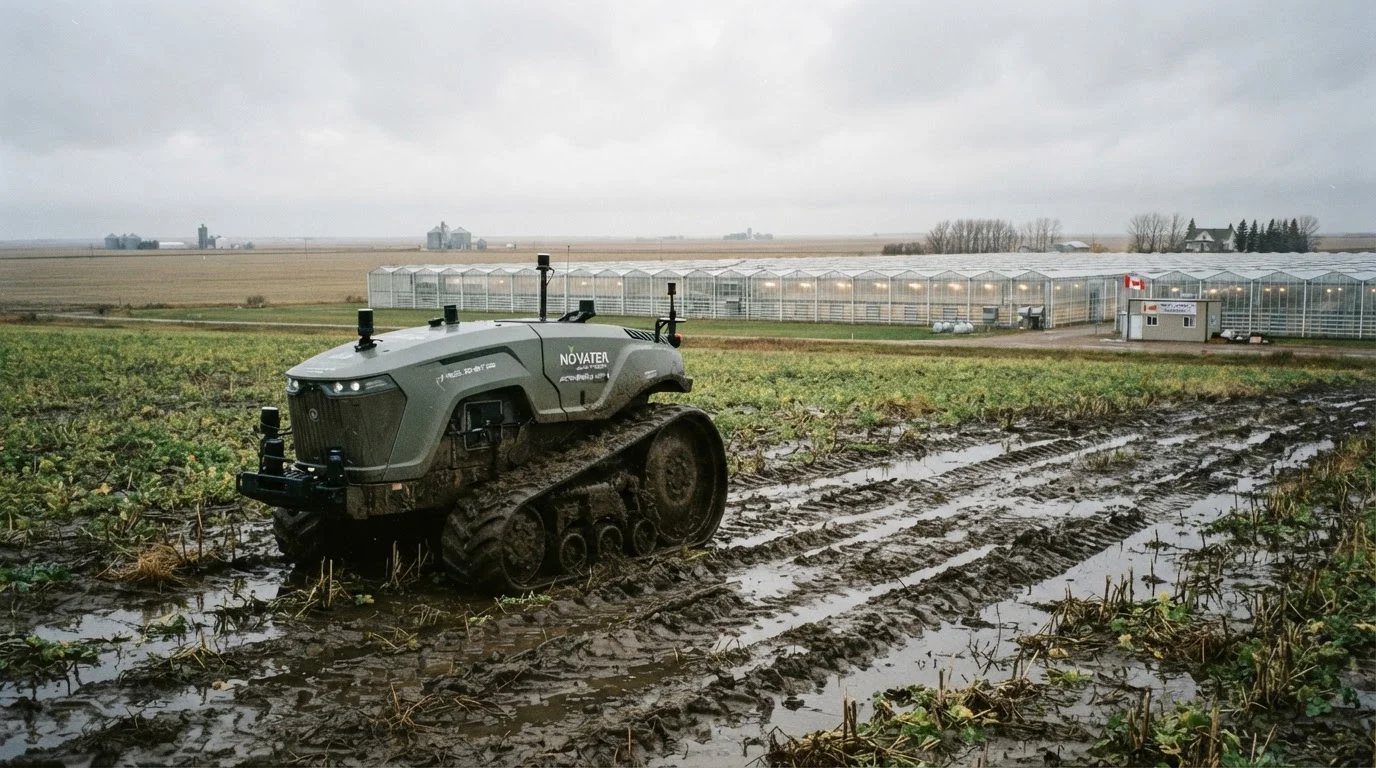
Autonomous tractors, is the future of driverless farm machinery large or small?
Autonomous farm equipment costs more than the labour they replace, but if a missed window means a lost harvest, that math changes. The post Autonomous tractors, is the future of driverless farm machinery large or small? appeared first on Manitoba Co-operator.